Regional Planning Commission Weighs Broad Infrastructure Proposal Affecting Several Municipalities
The proposal, which covers road maintenance, water systems, and utility corridors across a six-municipality area, has divided officials who agree on the need but not the approach.
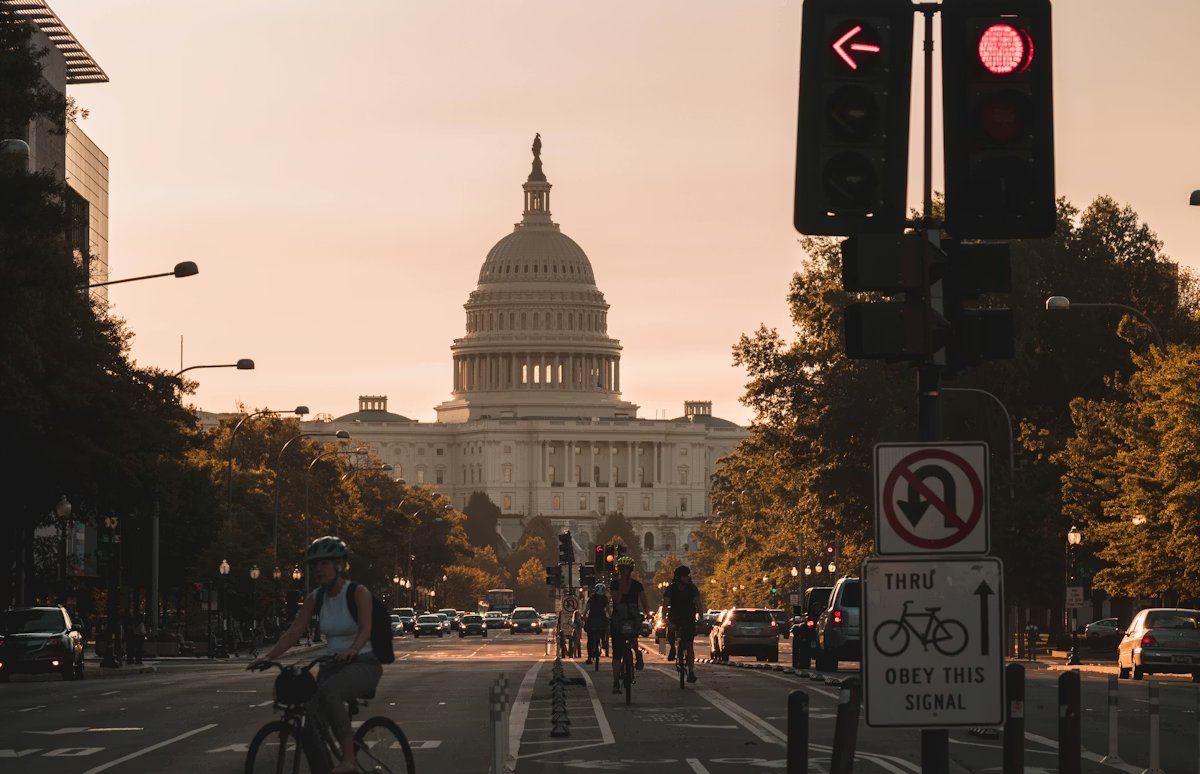
The state capitol, where state legislators convened to discuss regional infrastructure.
The Regional Planning Commission convened last week for what was expected to be a routine session and emerged, several hours later, having opened debate on a proposal that would represent the most significant coordinated investment in the area's infrastructure in at least a generation. The proposal, assembled over the course of more than a year by a working group of municipal engineers and county officials, addresses road maintenance, water system upgrades, and utility corridor improvements across a six-municipality area and carries a preliminary cost estimate that commissioners described as substantial.
The session drew an audience that spilled into the corridor outside the meeting room, a level of public attendance that commission officials said was unusual for a preliminary review. Several members of the audience signed up to speak during the public comment period, and the commission extended that period twice before closing it.
Points of Agreement and Division
No member of the commission disputed that the infrastructure in question required attention. Several referenced a report commissioned the previous year that documented conditions across the affected systems and concluded that continued deferral of investment would result in significantly higher costs over a ten-year horizon. The disagreements that emerged were about sequence, financing, and the distribution of costs among the participating municipalities.
Commissioner Elaine Forsythe of Millhaven Township argued that the proposal's financing mechanism placed a disproportionate burden on smaller municipalities. "We support the work," she said. "We are asking for a formula that reflects the actual capacity of the communities being asked to contribute." Several other commissioners offered variations on this concern.
"The question is not whether to act. The question is how to act in a way that every municipality in this region can sustain."
The commission voted to table a final decision and schedule a series of working sessions at which municipal representatives will have an opportunity to submit revised financing proposals. A public hearing is expected to be scheduled within the next several weeks.
What Comes Next
The working sessions are expected to be detailed and technical, and commission staff acknowledged that reaching a consensus proposal could take several months. Whether the resulting plan will resemble the original proposal closely or in outline only remains to be seen. What commissioners agreed upon, at the session's close, was that the conversation needed to continue and that continued delay in reaching a conclusion had its own costs.
The Standard will report on the working sessions as they occur. Readers who wish to review the original proposal and supporting documentation may access them through the Public Record section of this publication.