Ruth Calloway, Managing Editor and Guardian of the Standard's Values, Dies at 61
For nearly two decades, she ran this newsroom with a steadiness and moral clarity that shaped every page of this publication. She died on a Tuesday, quietly, as she had done most things.
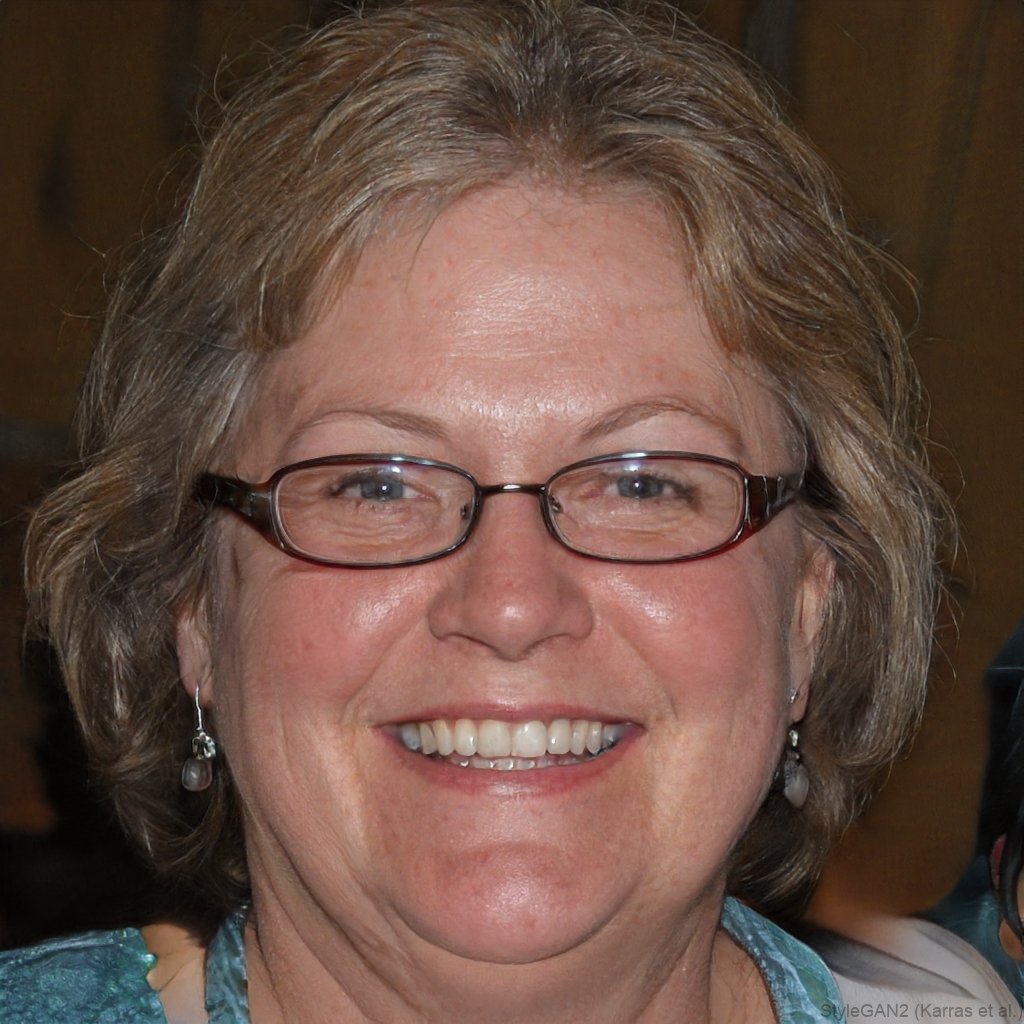

Ruth Calloway spent seventeen years in the Standard's newsroom before her death.
Ruth Calloway, who served as managing editor of The Brookline Standard for seventeen years and who was, by any honest accounting, the person most responsible for what this newspaper became during that time, died on Tuesday at the age of sixty-one. The cause was a brief illness that she had, characteristically, declined to discuss at length with most of her colleagues. She had been at her desk the week before.
To describe what Ruth did at this newspaper is to describe, in large part, what this newspaper is. She oversaw the daily operations of the newsroom with a thoroughness that was not bureaucratic but deeply personal. She read every story before it ran. She called reporters on their days off — not to demand things, but to ask questions, which was often more unnerving. She remembered every correction we had ever run and could cite them, gently, when a similar situation arose.
"She never told you what to write. She asked you what you meant. The difference mattered enormously."
She was born and raised in this region, the daughter of a public school teacher and a county surveyor, and she carried with her all her life a particular feeling for the texture of local life — the specific weight of a school board meeting, the way a planning commission vote could change the character of a street. She began her career at a weekly paper in the county seat and moved to the Standard in her early forties, after a period working as a freelance editor and occasional contributor.
A Newsroom Defined by Her Presence
Those who worked under Ruth's editorship describe a newsroom culture that was demanding in the best sense: one in which standards were high not because they were imposed but because they were modeled, daily, by the person at the top. She arrived before anyone else and was often still there when the last reporter left. She kept a wooden bowl of clementines on her desk and was known to offer one to reporters who came to her with a problem, which seemed to help.
Eleanor Voss, a staff reporter who came to the Standard early in her career, said Ruth was the first editor to make her understand that accuracy and fairness were not the same thing. "She would say: you got the facts right, but did you give the person a real chance to respond? Did you actually listen to what they said?" Voss recalled. "That distinction was everything to her."
Daniel Hartwell, the Standard's senior correspondent, described Ruth as someone who understood that the hardest editorial decisions were not the obvious ones. "It was the close calls she was best at," he said. "When something was clearly wrong, anyone could see it. What she could do was see the thing that was almost right but not quite, and explain, calmly, why it mattered."
What She Believed the Standard Was For
Ruth did not speak often about journalism in the abstract. She was skeptical of grand statements about the press, preferring instead to talk about specific stories, specific communities, specific people who had been served or not served by a piece of reporting. But she did believe, fundamentally, that a regional newspaper occupied a unique position in the life of a community — close enough to matter, accountable enough to be trusted, present enough to notice what larger institutions missed.
She wrote occasionally for the Standard's commentary section, always under persuasion from this desk, and always on subjects she felt had been insufficiently examined. Her last piece, published some months ago, was a quiet argument for the continued importance of the public meeting — not as a civic formality but as an occasion for genuine exchange. It was, in retrospect, entirely characteristic.
"She believed the newspaper existed to serve people who couldn't serve themselves in this particular way — people who needed someone to be present, to ask the questions, to write it down."
She Is Survived
Ruth Calloway is survived by her sister, Caroline Calloway Marsh, of the western part of the state; two nephews; and a community of colleagues and readers whose lives she shaped in ways that will take time to fully understand. She had no children, which she occasionally described as a professional decision and occasionally as a personal one, depending on who was asking.
A memorial service will be announced by the family in the coming weeks. The Standard will publish a remembrance in its Friday edition. In the meantime, we ask readers who wish to share their memories of Ruth to write to this desk. We will read everything.
The newsroom will carry on. She would have expected nothing less and would have been watching, from wherever managing editors go, to make sure we did it properly.
— Margaret Hale, Editor-in-Chief, The Brookline Standard